
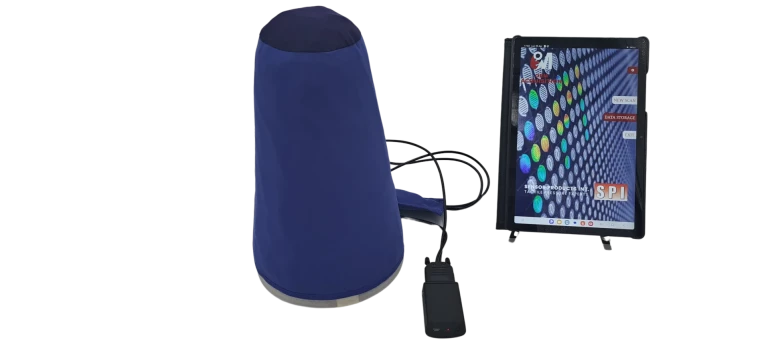

Pressure sensor technology for leg prosthetic assessment enables objective analysis of the interface between the patient’s residual limb and the prosthetic socket.
This approach transforms the fitting and testing process from a purely subjective evaluation to one based on measurable, quantitative data.
How It Works and Key Benefits
Load Mapping
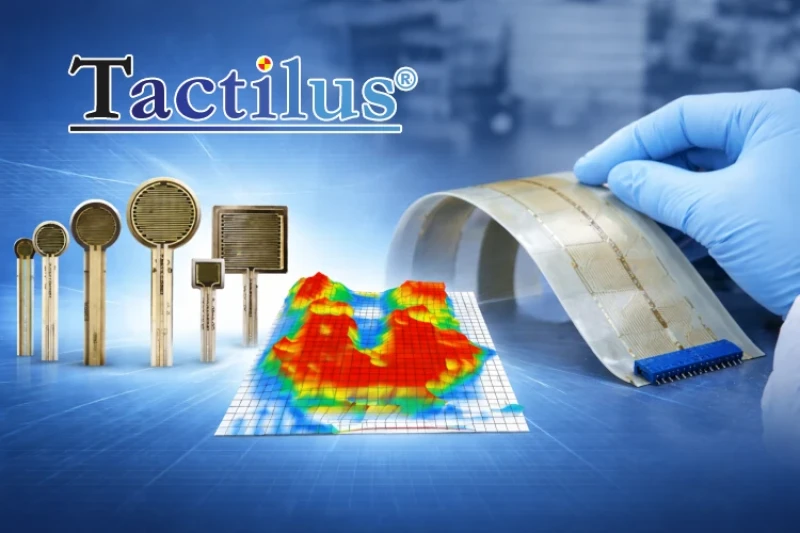
Ultrathin or fabric sensors placed inside the socket measure pressure distribution in real time during walking and daily activities, providing detailed insight into load transfer and contact areas.
Pain Reduction and Comfort
Pressure mapping helps identify overload zones that can lead to sores, ulcers, and discomfort—common issues associated with poorly fitted sockets.
Objective Data for the Technician
Quantitative measurements of force and pressure allow orthopedic technicians to make precise socket adjustments, improving both static and dynamic alignment.
Solution
Custom fabric sensor pads can be developed to fit directly within leg prosthetic sockets, delivering real-time pressure mapping during use.
Sensor pads can be customized to adapt to different prosthetic designs, patient anatomies, and clinical requirements, ensuring accurate and repeatable performance evaluation.
Specifications
| Type of sensor | A type (fabric) |
| Pressure range | std 0-10 Psi but can be customized |
| Number of sensing points | from 256 till 2304 |
 Made in Italy