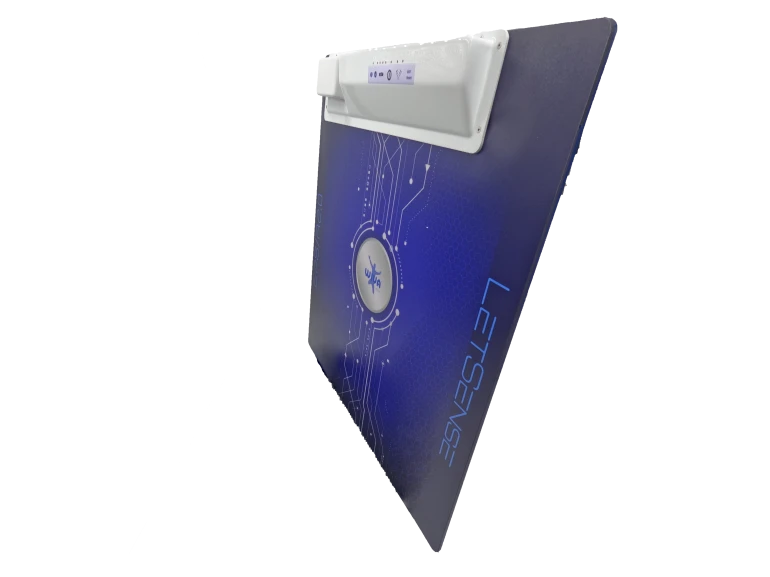
RIGID resistive baropodometric platform
Tactilus Sensors Tecnology

EPS/R2 Rigid

RIGID resistive baropodometric platform

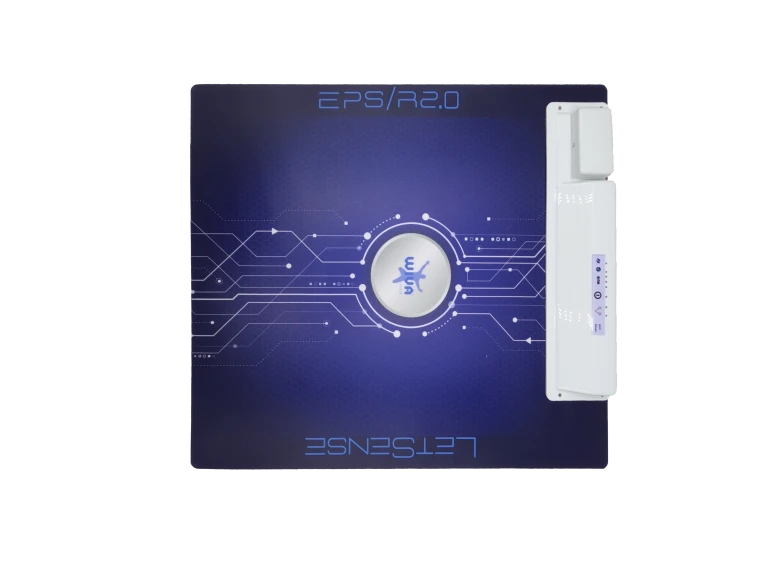
Building on the experience gained with the classic EPSR1, the new EPSR2 RIGID resistive baropodometric platform is now available, battery powered and offering optional Wi-Fi connectivity. The new “L.A. SMART” electronics enable both USB and Wi-Fi communication, with an acquisition frequency that varies depending on the
device used.
Equipped with LED indicators, it can be used for POSTURAL, ORTHOSTATIC, and DYNAMIC single-foot analysis. The supplied carrying bag ensures easy transport.
The new version also features MAGNETIC CLOSURES on the cover, allowing for CLEANING and MAINTENANCE in complete AUTONOMY.

Technical specifications

Weight 5 kg
N° of Sensors 2304 (48x48)
Power Supply 3.7 V battery rechargeable
Technology Resistive
Max. Scan Speed 10-500 kpa
Connection USB/WIFI
Pressure Range 10-500 kpa
Minimum Thickness 7 mm
Max. Sensor Size 10x10 mm
Substrate Aluminium
Rigid Baropodometric platform
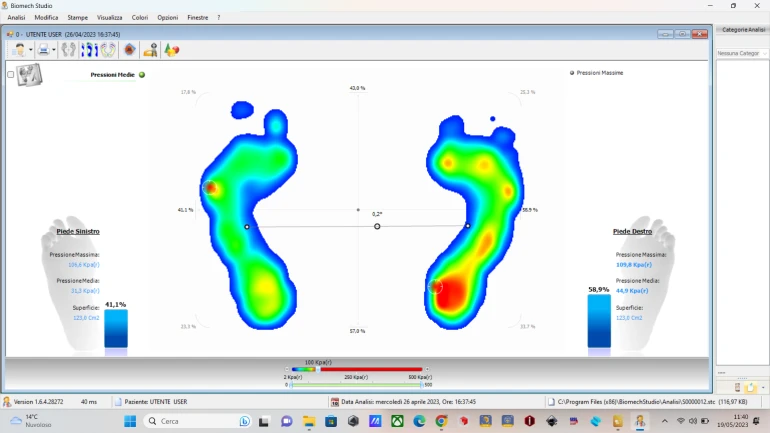
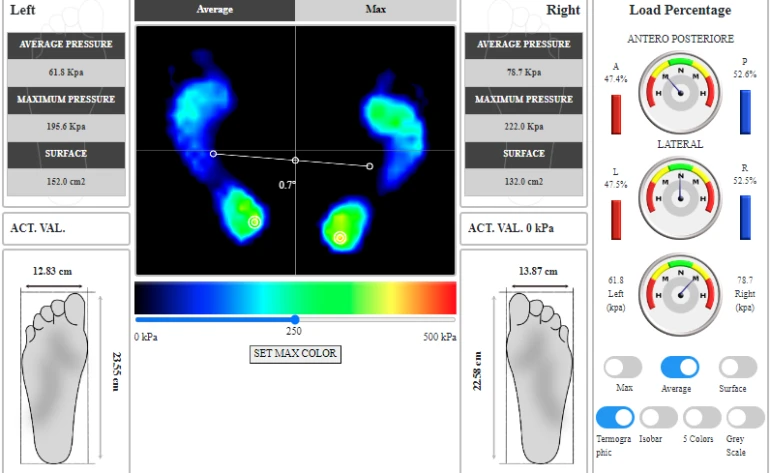
Output biomech studio
Output Biomech Studio

Features and functionality

Benefits of Tactilus®

  • Dataport to plug in your own software
  • Most affordable unit on the market
  • Assimilates complete data about the foot sole in just seconds
  • Extremely durable & rugged – designed for a retail environment
  • User friendly – a new user can work the system in just minutes

Information from STATIC analysis:

  • Load distribution (2D and 3D), anteroposterior and mediolateral;
  • Maximum and average pressures;
  • Center of Pressure (COP) position of each foot;
  • Static angles and foot positioning;
  • Foot support type;
  • Identification of foot areas (surface / force / pressure);
  • Stabilometric assessment (analysis of right/left/central barycenters, COP velocity and distance, barycenter ellipse oscillations).

Information from DYNAMIC analysis:

  • Load distribution (2D and 3D);
  • Maximum and average pressures;
  • Contact time graph;
  • Pressure–time integral;
  • Peak pressure point trajectory;
  • Gait phases;
  • Load distribution between forefoot / midfoot / rearfoot;
  • Load distribution of individual foot areas;
  • Podalic helix analysis;
  • Barycenter curve and sequence;
  • Step video recording and definition of the characteristic average step;
  • FOOT BALANCE analysis;
  • Statistics and 3D visualization.

Software