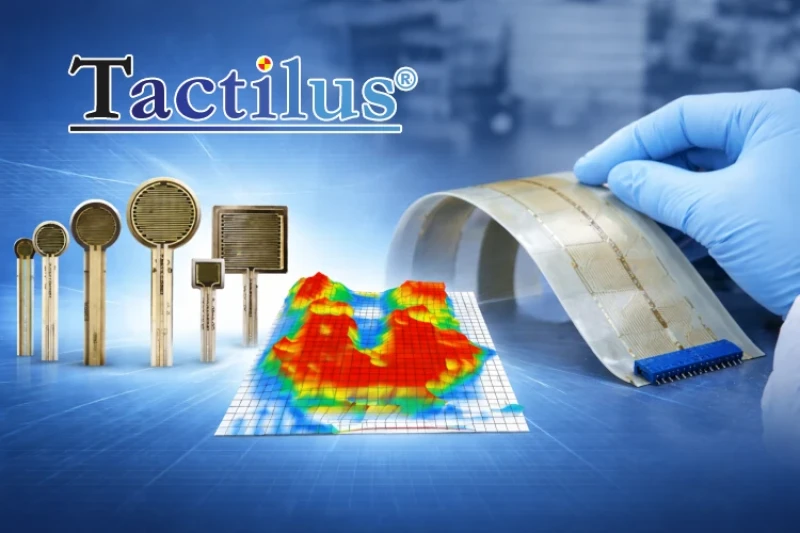

Tactilus Sensors Tecnology

Tactile Technology in the Automotive World

Thanks to its modular architecture and real-time data acquisition, engineers can simultaneously analyze multiple contact points, gaining a clear, detailed, and reliable understanding of seat–passenger interactions under different conditions.

Our tactile measurement systems are specifically developed for automotive applications, including pressure analysis on seats, seat belts, headrests, and other critical contact surfaces.
By leveraging high-precision sensor technology combined with dedicated analysis software, Tactilus® captures real-time data that supports objective evaluation and design optimization.
This data-driven approach helps improve passenger comfort, enhance safety, and optimize overall vehicle performance.

Each solution is engineered to support industry professionals in developing smarter, more ergonomic, and more reliable vehicles that meet the highest standards of quality and innovation.

Automotive Applications

Achieve deeper insights into vehicle performance, safety, reliability and comfort with Tactilus’s advanced surface sensing technologies.

From brake systems to battery modules, our customized, flexible sensors capture critical data between contacting surfaces to support better design, validation, and quality control.

Using our different sensing technology we help engineers measure pressure distribution and force dynamics across applications such as:

  • Brake pad and rotor interfaces
  • Tire tread patterns and contact area
  • Wiper blade force profiling
  • Seat comfort and occupant pressure
  • Battery cell/module stacking and assembly

Software


OEM projects

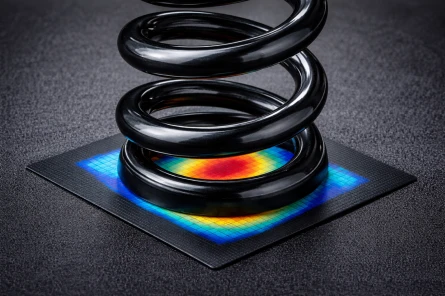
Pressure distribution analysis for optimized coil spring performance
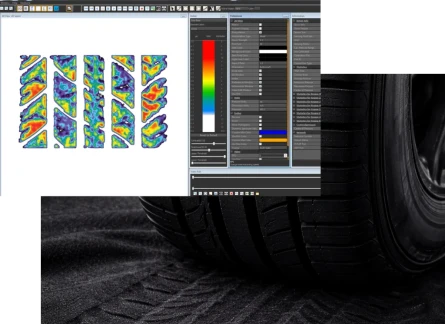
Analyze tire performance and tread to optimize tire designs and benchmark against competitive products
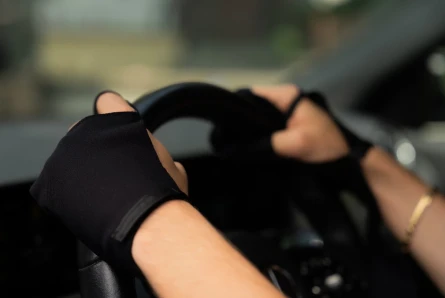
Quantify key grip and movement data to enhance driver comfort and overall driving experience.
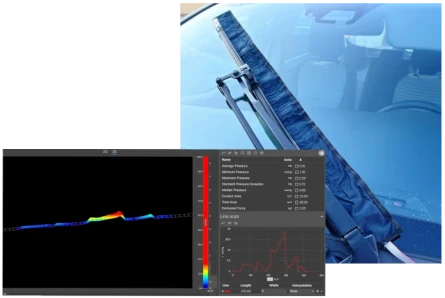
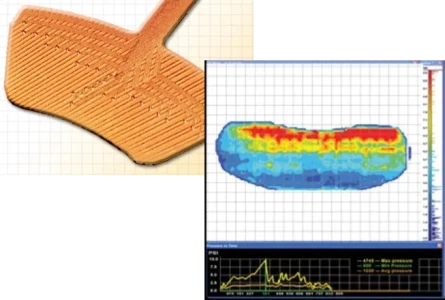
Measure a wiper blade's linear force as it is applied to the windshield, capturing the real-time contact area between the blade and glass.
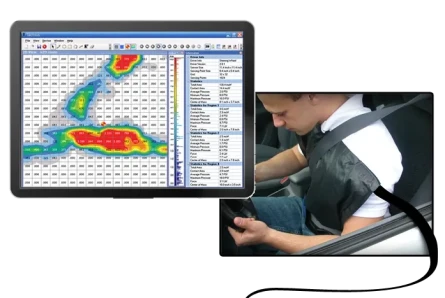
Pressure distribution measurement for improved seat belt comfort and safety
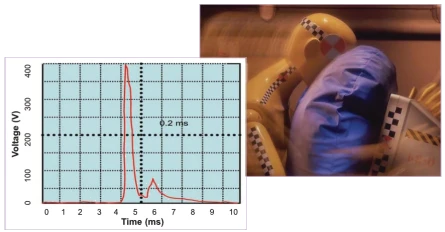
Measurement of dynamic impact forces and pressure distribution during collision events
Do you need to map pressure distribution across your braking surface?
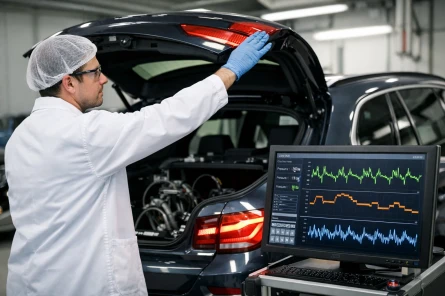
Dynamic evaluation of sealing behavior during trunk lid slam events
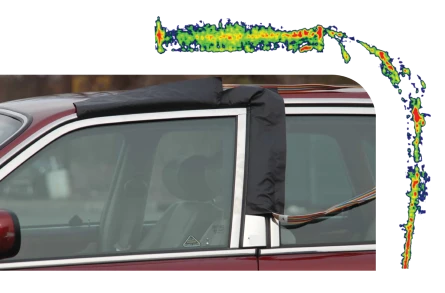
One of the most commun use in automotive of the Tactilus sensor is to test and improve contact points in the door sealant.

Standard Products

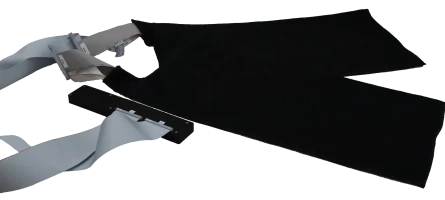
The Tactilus® Back Sensor is a high-precision pressure mapping system engineered to measure real-time pressure distribution between the human body and backrest surfaces in medical and clinical...
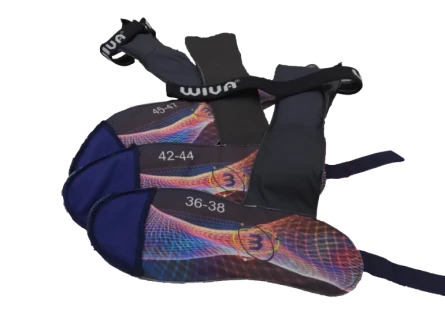
Tactilus® foot insole sensors are the smallest and lightest insole sensors on the market. The battery-operated unit, equipped with a tiny transmitter, allows the user to move up to 30 feet away from...
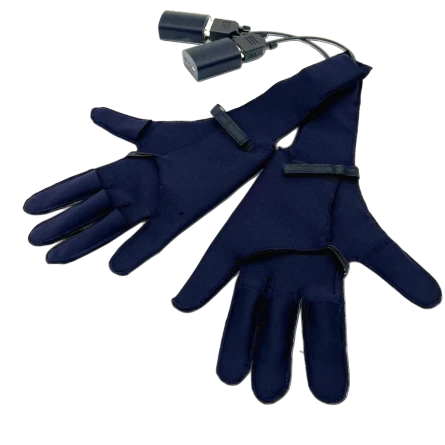
The Gloves system is an advanced tactile sensing solution that combines sensitivity, ergonomics, and cutting-edge technology
The Tactilus® Seat Sensor is a sophisticated tool for assessing pressure distribution between the body and seating surfaces in real time, specifically designed for medical applications. It...

Benefits of TACILUS®

  • Highly conformable and elastic sensor
  • True calibration. Now NIST traceable
  • No cumbersome external electronics
  • They’re safely built into the sensor
  • No training required. Hit the ground running
  • Durability like no other sensor
Tactilus EN

FAQ Industrial Application

What is a pressure sensor and pressure mapping system?

A pressure sensor is an electronic device that measures force applied over a defined
area. A pressure mapping system combines one or more pressure sensors with
electronics and dedicated software to measure, visualize, and analyze pressure
distribution between contacting surfaces.

How does a pressure mapping system work?

Thin electronic sensors are positioned between contacting surfaces. When pressure
is applied, the sensors convert mechanical load into electrical signals, which are
processed by software to generate pressure maps and quantitative measurement
data.

What are the main applications of pressure mapping systems?

They are used in component assembly, quality control, machinery maintenance,
product design, packaging, sealing, printing, medical devices, automotive,
aerospace, and more.

What are the key benefits of using electronic pressure measurement systems?

  • Objective and quantitative pressure measurement
  • High accuracy and repeatability
  • Real-time data visualization and recording
  • Digital data storage and reporting
  • Flexible sensor designs for custom applications

Which industries use pressure mapping systems?

Pressure sensors and pressure mapping systems are used across automotive,
aerospace, medical, manufacturing, packaging, electronics, sports science,
ergonomics, and research industries.